Showing posts with label empowerment. Show all posts

Friday, 10 October 2014

UKIP, Labour and the British working class

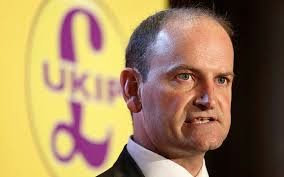
UKIP won a seat in Parliament last night and nearly snatched a safe seat from Labour.  Douglas Carswell retained his seat as MP, but switched parties from Conservative to UKIP.


I don't live in the constituency and have no idea how discussions went with people on the ground.  Douglas Carswell has a high profile and criticised government for poor funding of troops in Afghanistan.  He is critical of the European Union and called for a referendum on British membership.

UKIP leader, Nigel Farage, speaks simply and clearly addressing concerns of ordinary people.  He and his party are regularly branded racists and xenophobics by his opponents including the Labour Party.


Trevor Phillips was a prominent tv broadcaster for many years.  He became chairman of the EHRC (Equality and Human Rights Commission.)  During this time as leader, 6 commissioners stood down in protest at his leadership.  The Labour government supported Phillips and ignored criticism of him by these 6 prominent and well respected individuals.  At the time there was much concern about migration from the newly enlarged EU.  Increased pressure on services and infrastructure was not matched by funding and people raised concern that preferential treatment was given to new arrivals.  The EHRC was asked to research the matter and Trevor Phillips produced a report stating that there was no bias or problem.  This was readily accepted by the Labour Party and the BBC, many of whom lived or spent much of their time in London and the South East.

I worked regularly in a poor part of the East Midlands.  Major industries there have slowly shifted production to the Far East in the last couple of decades.  I worked with poor and disabled people who had been high up the housing waiting list found they were shifted low down the list and watched as newly arrived Eastern Europeans were given keys to social housing.  Several people told me that local employment agencies had an unwritten policy to avoid giving work to British people.  I also worked with individuals who were finding it difficult to hold on to jobs, despite hard and conscientious work, as new arrivals undercut their low wages.

This was a safe Labour seat and the government were not concerned about the prospects for local working class people.  Gordon Brown had introduced a range of benefits that seemed to trap people in unemployment, as the contrast in income when they took a job was rather like falling off a cliff (as they were no longer eligible for other benefits such as free dental treatment and glasses.)  Little was done for people at the lower end of the scale in terms of education and work experience, where unskilled work and demand for traditional skills are increasingly scarce.  Globalisation and outsourcing have changed employment for ever.  Labour have ignored their traditional roots in the working class.


Labour rhetoric shifted to a discussion about the concerns of 'hardworking families' and leaders of the main parties listened to the concerns of predominantly middle class pressure groups such as mumsnet.

The current coalition has focussed on bringing people back into the job market.  They want to ensure people earn more in work than on benefits.  In this Labour safe seat, I see lots of people who have never worked and found it profitable to produce more than 2 children, who are still able to claim benefits.  At the same time, I work with many people suffering chronic pain, disability or life threatening illness who are deemed fit for work and bullied by staff at the Department for Work and Pensions.  Yes the statistics for people coming off benefits and/or getting into work are rising.  Some of the former are arbitrarily booted off benefits by poorly monitored staff with draconian powers.  Some of the latter move into poorly paid and insecure work contracts, which do not guarantee them a regular income, as employers can bully them to work very long hours or withdraw all work as they please.

Large corporations in the private sector are paid incentives to hire staff on low incomes.  These incentives are the working benefits paid by the state.  The British taxpayer is now subsidising parts of the private sector.


In the past, trade unions fought for better wages and conditions for working class people.  They defended the rights of white males, but were less effective or motivated in supporting the rest.  Margaret Thatcher began the process of reducing their power.  The rail unions have remained a powerful force for their staff until now.  Bob Crow died recently and did not live to see strategies used to undermine the power of his RMT union.  This week it was announced that the London Underground will shift to driverless trains on the tube network.  If you elminate a powerful part of the workforce, which can bring the network to a halt by withdrawing their labour, you weaken the union.

Who do people turn to when their concerns are discounted as racism and bigotry?


Farage has recruited a financial spokesman with an Economics degree and robust arguments to counter opponents.  He is learning to strengthen policy statements and field challenges in the media with clarity and ease.

The Labour Party were shocked to see such a strong challenge to their safe seat, though they're deflecting attention to losses among the Conservatives and Liberal Democrats.

Was I surprised?  Not at all.  Why?  Because I regularly speak and work with people on the margins, who feel disenfranchised outside of the insular hothouse of Westminster, London and the South East.


Saturday, 25 January 2014

'Posh Tories out of touch with lives of ordinary people'

This is a recent pronouncement by Ed Miliband,  the gift that goes on giving to bloggers.


He resembles an annoying, snotty, loud mouthed schoolboy his teachers would sorely like to clip round the ear.

I wrote recently of meeting Eton-educated Tory MP, Jesse Norman, alone on public transport carrying his own bags.  The only MPs I've seen alone and carrying their own stuff have been public school educated Tories.

I saw Paul Boateng on a train with a bunch of minders, apparently ducking out of London on the day of an embarrassing debate.

I travel regularly to a town in the Midlands.  Some years ago fellow travellers report that Jack Straw, then Labour Home Secretary, took the train with minders.  The station was closed for the day and he was met by a fleet of armoured limousines, so that he could, allegedly, travel to an Asian food factory in a pre-election friendly.  Commuters were inconvenienced and had to make their way to work by whatever means possible, because of alleged security issues for man-of-the-people Mr Straw.

Ed Miliband is trying hard to look like an ordinary bloke, but can't disguise his dislike of what comes with it.


The Shadow government don't seem to live the lives of ordinary people.  I've written before about the silence on the Shadow front bench in relation to the Co-op Bank, which has given financial support to the Labour Party in a number of ways.  Ordinary pensioners, at risk of losing their life savings, had no succour from 'One Nation Labour' and Ed Miliband.

Peter Mandelson, one of the architects of 'New Labour' and sometime kingmaker in the party, is renowned for amassing large sums of money and keeping company with some unsavoury characters.  He is alleged to receive funding from Kazakhstan and is one of a group of politicians who have helped massage the image of a country with a bad human rights record.


Former Prime Minister Tony Blair took us to war with a dossier of weapons of mass destruction in Iraq, that was cobbled together from flimsy material including a phd thesis.  Blair is Peace Envoy to the Middle East, receives round the clock security protection, paid for by the British taxpayer.  Blair's way of expressing thanks is to place his money in a convoluted nest of companies, so that he pays minimal tax.  He also promotes the Cayman Islands as a tax haven.

The Spectator goes further in describing the Shadow front bench as Ed Miliband's Bollinger bolsheviks.  The article reveals the extent of wealth and property amassed by Labour MPs.

Let's return to Eton educated Jesse Norman MP.  Sir Torquil Norman, Jesse's dad, was a fighter pilot and banker.  During a period of unemployment he dreamt up the Big Yellow Teapot and founded the successful Bluebird Toys.  Holidays with wife and five kids were spent in a converted bus, rather than hotel or caravan.  He retired from toys and bought the Roundhouse, to prevent it being destroyed by property developers.  He has raised money and put the venue on a solid footing and it re-opened in 2006.  He also formed the Roundhouse Trust to help disadvantaged youngsters in the area.  By 2008 it had involved over 12000 teenagers in creative arts projects.  He says he was concerned about the disillusionment and lack of future kids in Camden seemed to have and wanted to do something about it.


Torquil Norman has retired several times.  The latest venture is the invention of a flat-pack OX truck to help villages in the developing world gain greater independence.

The son of a prominent Labour star has been sent to prison for assault, and the father lobbies to water down anti-mercenary laws as director of a private military firm.  In contrast, old Etonian Norman father and son both have experience of effective charitable work.

How much more in touch with ordinary people do you want Eton educated Tories to be, Ed?


Tuesday, 1 November 2011

Truth, Justice and the American Way

This week UNESCO voted with a majority of 93 votes to recognise Palestine as a separate entity for the purposes of the organisation's work:


The United States voted against, along with 13 other countries including Canada, Germany and Australia.

107 countries voted for the motion including France, Russia, China and Austria.

The United Kingdom abstained along with 51 other countries including Denmark and Georgia.

Comments from the source of these numbers:

'Most of these are no surprise, although it is worth noting the division in Europe, with Spain, France, Ireland, Austria, Finland and Greece voting “yes,” Germany, Czech Republic and Sweden voting “no,” and the UK, Italy and Denmark abstaining. It’s also probably worth noting that the US didn’t manage to get a “no” vote from such solid supporters as countries like Latvia (which voted “no” to bringing the motion to the General Assembly earlier this month but abstained today) and Tuvalu, Nauru and other island states that almost always support the US in international forums. Another formerly stalwart US supporter who voted for Palestine is Iceland. I remember chatting with an Icelandic diplomat during the Bush administration who had told me that after one particularly egregious instance of Washington dictating terms on what should have been a bilateral decision between Reykjavik and DC the US could no longer count on their automatic support in international forums.'

The United States has since cut off $60 million funding to UNESCO. The spokeswoman at the press conference stated that the USA criticised this unilateral move, which undermined their efforts at brokering a peace settlement in the Middle East.

Wikileaks (strongly attacked by the US government as a hostile force working against democracy) released the Palestine Papers earlier this year, revealing the true nature of this 'peace process'.

They revealed that the Palestinians had made concessions requested of them repeatedly, only to be greeted with indifference by the Israeli/US parties to the negotiations, who then demanded more:


Other papers revealed communications between Israel and the US describing policy to keep Gaza on the brink of economic collapse, without tipping it over to the abyss completely:


Noam Chomsky has been critical of US support for Israel, posing as an honest broker in peace negotiations, when its role is firmly partisan. Part of the problem is the economic benefit to the US arms industry that flows from the huge amount of aid given to Israel. The US government has promised $30 billion in military aid over the next decade. He also believes that the US contributes to a PR offensive to soften public opinion to accept an attack on Iran. The principal rationale is the allegation that Middle Eastern people want such a military offensive, when the idea comes from Middle Eastern dictators (allied with the US) rather than ordinary people:


What do you do when you want to enforce policies, but find yourself in the minority?

Bully and coerce by withdrawing funding. Go on the offensive with mis-information.

Who abstained?

Countries that rely on good relations with the USA... such as UK, Denmark and Georgia. It's easier to remain neutral than vote against and risk public ridicule.

When Israel voted against the motion, other delegates laughed.

The United States and some other western governments have taken action to starve Wikileaks of funding. They have targetted online payment conduits, banks and other financial institutions to ensure that money does not flow in for further revelations.

Professor Chomsky believes that the US government reveals itself as defiantly anti-democratic in its foreign policy action. He also thinks that the scare tactics about the threat to security by the leaks is a smokescreen. He cites the example of a study from a medical journal in Falluja (attacked by US forces in November 2004). They found levels of cancers, leukemias and other diseases higher than in the aftermath of Hiroshima. This was not covered in the US media, which focussed on Iran and Afghanistan:


From a Palestinian viewpoint it seems fruitless to continue negotiating with two parties, who have huge economic interests in delaying a resolution or allowing concessions from their side. It makes more sense to take another route and seek acceptance by a UN body responsible for humanitarian aid and cultural heritage. Trust networks within the UN have built up over time and recognise some of the attempts made by Israel to erase Palestinian territory, homes and culture. UNESCO has censored Israel several times for its treatment of Arab sites of archaeological significance (to little effect.)

It will be interesting to see what happens when the UN resolution is tabled to recognise Palestine as a separate state.

Update

Israel has today decided to speed up building 2000 new settlement homes in the West Bank and withhold funds from the Palestinian Authority. Palestinians are appealing to the UN to intervene.

The USA and Israel have long criticsed Middle Eastern governments and held Israel as a prime example of democracy in the region.

How strange that their response to democratic election processes is to punish people for 'voting the wrong way.'

Perhaps the world does not share a common perception of democracy and dictatorship.

Update 2

Canada has also announced a cut to its UNESCO funding. It would be fascinating to have heard this week's conversations across North America between US and Canadian diplomats and politicians.

Saturday, 17 September 2011

Peace One Day

At regular intervals the media announce that today is International ***** Day (insert worthy cause in the gap.) It's easy to be cynical and assume that a committee of retired bureaucrats have devised this as make-work activity. Little seems to change.

The same reaction occurs when emails circulate about World Peace Day on 21 September. The story of how this came about is intriguing.


Actor and filmmaker Jeremy Gilley decided to campaign for the idea of one day of peace and non-violence. Gilley was frustrated at the relentless level of conflict in the world. He was influenced by the early death of his grandfather, who, as a prisoner of war, witnessed the bomb in Nagasaki and had lasting health effects from the radiation. Gilley chose the date because 21 was his grandfather's favourite number.

Gilley had no money. He wrote to everyone he could think of to promote the idea. He travelled all over the world filming and listening to ordinary people in war zones and the difference that peace might make to them. He decided to build a case and make it stronger and more detailed.

Finally UK and Costa Rica proposed a motion to the UN General Assembly on 7 September 2001 and it was passed unanimously. Kofi Annan invited him to a press conference at 8am on 11 September, but the attack on the twin towers make it impossible.

Gilley persisted and toured with his film. People in Israel sneered that it's just symbolism, after watching Gilley's film. He recognised that he needed tangible results to convince people.

He came to understand the 4 pillars of success:

- A great idea
- A constituency
- Finance
- An ability to raise awareness


His profile was too low to make an impact, so he recruited the actor, Jude Law. Together they went to Afghanistan and spoke to all organisations involved in the conflict. A major problem was the safety of humanitarian workers in the country. After Gilley returned home, a letter came from the Taliban agreeing to a ceasefire on 21 September.

On that one day of peace 1.6 million children were vaccinated against polio as a result.

Later it was announced that there was a 70% reduction in violence on that day.

Gilley then aimed for a Global Truce on 21 September, with the idea that a 70% reduction in violence could be possible everywhere if it had been achieved in such an intractable situation as that facing Afghanistan.

One of his mentors told him that it's not going to come from the action of governments. 'It's all about individuals - you and me, partnerships, local businesses - working together.'


In Pinchot's terms Gilley has followed most of the commandments, particularly doing any job necessary, finding people to help him, running in his own race and being true to his goals.

Lowering blood sugar

Those concerned with weight loss, diabetes and heart disease have found that blood sugar levels are one of the keys to making positive changes. Specialists such as Dr Richard Bernstein and Dr William Davis recommend lower levels than typical Department of Health guidelines (indicated here).


Bernstein, Davis and others recommend eliminating sugars from the diet and starches (easily converted to sugars). Fats and proteins, as well as non starchy vegetables and berry fruits are helpful in maintaining blood glucose at optimum levels.

Blood sugar can also be affected by drugs, raising, lowering or causing swings in levels. The list includes caffeine, which can contribute to hyperglycemia (high blood sugar), so coffee, tea (including green tea) and chocolate may cause a spike. If caffeine is consumed with sugars or starch the blood sugar spike can be followed by a dramatic drop to hypoglycemia (low blood sugar). This may be dangerous for diabetics on insulin.

Each person responds differently to food and may tolerate more carbohydrate/fat/protein than others without raising and maintaining blood sugar above the recommended levels. Dairy products can raise blood sugars and increase weight, for example. Some people struggle to limit food intake and reduce their appetite, in spite of curbing addiction to sugars and carbs.

Dr Gundry recommends increasing levels of raw vegetables in the diet to increase the feeling of fullness, which encourages us to stop eating. The diet includes high levels of fibre to help regulate how the body processes food and maintains an even blood sugar level.

These are healthy blood sugar targets recommended by Jenny Ruhl:

Fasting under 83 mg/dl or 4.6 mmol/L

1 hour after food under 120 mg/dl or 6.6 mmol/L

2 hour after food under 100 mg/dl or 5.5 mmol/L

Bernstein and Davis advise people to aim for lower levels, but this may be difficult to achieve, particularly when losing weight.

Some people struggle to bring blood sugar down, even when following these guidelines and may risk long term health effects from excess glycated haemoglobin. One challenge is coping with signs that the body is adjusting to a lower background level of sugar and getting through symptoms that seem to be hypoglycemia (low blood sugar) but are not:

'The symptoms you feel during a false hypo may include a pounding pulse, shakiness, a raised blood pressure and other symptoms very similar to those of a panic attack.'


One simple food seems to produce startling reductions in blood sugar, without first spiking or taking blood glucose down to dangerous levels. Chia seed comes from a plant, which is part of the mint family, native to Central and South America. The seed can be soaked in coconut milk to make a porridge or sprinkled on any food.

According to Dr Wayne Coates, who wrote 'Chia: Rediscovering a Forgotten Crop of the Aztecs' chia is 16% protein, 31% fat, 44% carbohydrate of which 38% is fibre. Most of its fat is omega-3 fatty acids including alpha-linolenic acid (ALA).


The high fibre content of chia, both soluble and insoluble, induces a feeling of satiety, which seems to last for some time, without converting to sugar and spiking blood glucose levels. On the contrary, blood sugar levels may drop to mid 4 or 3 mmol/L (85, 75 or 65 mg/dl).

Jenny Ruhl states: 'Doctors do not consider true hypoglycemia (low blood sugar) to begin until under 3.9 mmol/L (70mg/dl). It does not become dangerous until it reaches levels like 2.5 mmol/L (45 mg/dl).'

Dr Coates has collected research on his website, following the work he undertook at the University of Arizona. He gives sensible advice on choosing your seed for best results.

Some organisations are trying to patent strains of white chia seed, to make some money out of a simple, safe food that has many health benefits. Doctors are unlikely to recommend adding chia to the diet and may continue to prescribe medication to control blood sugar and blood pressure. Obese people might find chia helpful in controlling appetite and losing weight steadily without drugs or surgery.

The internet provides a medium for sharing information and research, so that individuals can choose a diet and lifestyle approach to avoiding surgery and unnecessary drugs. The Wiki Patient won't conform.

Friday, 9 September 2011

How to lose weight

Dr William Davis recommends this simple bit of kit (for example):


The simplest way is to check your blood sugar before food and then check it one hour after eating. The aim is to maintain a healthy level of 100 mg/dl or less (5.5 mmol/L) before and after food.

Youtube has several videos showing how to take blood for the test:


Jenny Ruhl runs a website dedicated to sharing accurate information about blood sugar.

She gives sensible, current guidance about 'normal' blood sugar levels. For optimum health, she recommends staying below 120 mg/dl (6.7 mmol/L). Blood glucose levels that are consistently in the 140 (7.8) range endanger health and indicate glycation and heart plaque build up.

OK where is the advice about counting calories? What are the restrictions?

This way of eating leaves everything up to you (ie it doesn't ask you to calorie count or avoid anything).

Use the glucometer to research which foods raise your blood glucose and which foods enable you to maintain optimum normal levels. Notice which quantities tip you into higher blood sugar levels (as too much protein, especially dairy, is alleged to do.)

We all differ. Some have genes that favour higher metabolic rates and lower fat accumulation around the middle. Others remain slim until middle age, when hormonal changes trigger visceral fat deposits around the internal organs. Some people have minimal effective beta cells in their pancreas, after years of high starch and sugar foods. They may have minimal insulin response and 'metabolic syndrome' combined with obesity. Others develop diabetes when young without dietary overload of insulin spiking foods.


Keep a note of all the food and drink you consume and quantities. Keep checking the blood sugar levels and eliminating foods and drink that raise the levels above 120.

Maybe this:


Or these:


Exercise, in moderation, seems to help insulin response, especially when the focus is on slow strength training.


The overall aim is to change eating habits and find a way of life that works to promote health and longevity. This isn't a diet, but a way of shifting from food and drink that damage us, while maintaining muscle mass and overall well being. It's a slow and steady march to control over our health and destiny. Gary Taubes has some interesting points to make about the impact of type of food intake versus the old model of 'calories in, calories out'. In this post he quotes recent research on sugar (high fructose corn syrup) and fructose.


This is easy for me to say, as I've never been grossly obese. One blogger points out the contrasting difficulties faced by people who became obese as kids and as adults. One of the challenges he faced was losing touch with the body signalling system.

One aspect he mentions, that I've seen in my work as a psychotherapist, is the difficulties kids face when adults control the food supply and continue to buy foods that 'sabotage' any attempt to control food intake and weight gain. We've recently had media coverage of kids being taken away from their parents and put into care because of obesity, though newspaper reports indicate that the children were of average weight.

This is hard to justify when Department of Health guidelines still emphasis low fat high carbohydrate diets, which, according to my glucometer, raise insulin and encourage weight gain.

Don't believe me, test yourself (and keep testing.)

Banking pirates?

30 years ago Allied Dunbar financial advisers used to sit down with prospective clients and review their finances using a set of forms on a laptop. One of the first questions was about the level of risk the client found comfortable. Smiling indulgently at the baffled expression, the adviser would then talk about low, medium and high risk investments. High risk might be small cap shares, medium risk might be bonds or extra pensions and low risk could be banks.

The adviser would mention the Post Office account and the mattress as 2 of the lowest risk places to stash their money, pointing out that lack of interest earned would erode the value of their savings over time.


Safe banks?

In the UK we have seen queues of people outside branches of Northern Rock bank and other demutualised building societies, when it became clear that the banks couldn't meet their obligations.

Safe pensions?

Ordinary Equitable Life policy holders are still waiting for compensation years after being reassured by government that their savings were safe, only to find that the facts did not support that view.

Since the late 1980s and privatisation of many public sector organisations such as utility companies, the Great British Public have been encouraged to participate in stocks and shares and have a stake in the economy and wealth creation. Empowerment of ordinary people in this way was well meaning. Sadly the pace of globalisation and frequency of mergers and acquisitions has made it confusing to keep track of who owns what, particularly when the name of organisations is maintained as a brand.


The sell off of UK assets has attracted many foreign investors to our shores. That's fine when it's a company running busses or piping gas to our homes. It's more tricky when foreign firms by British financial institutions and then operate under non-UK regulations.


The most prominent example on the high street is of Abbey National building society, which demutualised, became a bank and was then bought by the Spanish bank, Santander. It looks the same as a British bank, but shares in the company are subject to Spanish withholding tax. Customers in 2011 have complained about poor service and have not been reassured by Santander's response.


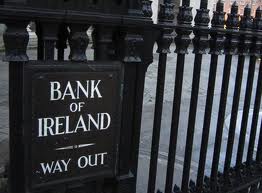
Investors in BOI (Bank of Ireland) are nervous about the bank's ways of getting out of debt following the financial crisis in Ireland. Bond holders in the UK have been told that they face losing 80% of their money and that the UK regulatory body the FSA will do nothing about it.

As with Equitable Life, one way of overcoming negative publicity has been to characterise this group of investors as wealthy people who could easily bear the loss. Many are small investors, who invested their meagre savings with a local British building society, never suspecting that their money could be seized and the authorities would take no action.


(Thanks to Chattanooga Times Free Press for the above image.)

What about the post office?


Bank of Ireland has a 16% stake in the Post Office and takes over 50% of its profits. The Post Office relies on BOI for its banking licence granted by the FSA. It is not a member of the Government Compensation Scheme, so in 2010 account holders would not get their money if BOI had problems. It is alleged that the arrangement has changed so that investors would get some money back.

What's the worry?

Bank of Ireland has form. It acquired Bristol & West Building Society in 1997 when it was demutualised. BOI took over the renamed Bristol & West plc's banking business (but not the insurance side) using a banking transfer. 'BOI raided permanent investment bearing shares (PIBS), which are typically used by people with small savings to top up their pensions pots.' There was no meeting of bond holders and scant notice of the High Court hearing was given.

As one investor wrote:

'So what has effectively happened is that thousands of unsophisticated UK retail investors who invested in a UK Building Society have unwittingly, unknowingly and without consent or full information had their investment reclassified as subordinated bonds of a foreign bank and changed to foreign regulation and foreign law for the only remedy under the Trust Deed - being a winding up of the Issuer. And now, as a result, they are threatened with confiscation of their investments by a foreign finance minister using a foreign law.'

Who is responsible for protecting these people?

It seems that UK regulators and institutions stand aside.

Many elderly people in the UK rely on Post Office accounts for their pension and small savings. The branch is local and accessible.

The key issue is about trust between lender and borrower. If the 'lowest risk home for UK savings' is under threat in this way, then that only leaves the mattress.


Update:

Bank of Ireland is continuing to strengthen its position by plans to take money from 'subordinated bondholders'. Banks of other EU countries seem to be considering bondholders as a way of dealing with their debts. Beware.

Update 2:

Some success and an appreciation of the work of Mark Taber here (and an opportunity to donate).

Thursday, 11 August 2011

Statin the wonder drug

As children, we are brought up on tales of Superheroes who save civilisation from imminent collapse. That world view seems to leak into adult life and our view of threats. In the medical field we seek a magic bullet to destroy problems such as AIDS, cancer and heart disease.


In recent decades focus has shifted in the West from tuberculosis, flu epidemics and malnutrition to the monster threatening us with heart attacks.


I have written before about the curious use and abuse of science to formulate theories and guidelines on the impact of certain food groups, notably fat and protein, on the risk of heart disease. The key theory is the lipid hypothesis which proposes that dietary fat increases blood lipids and these are laid down in the heart and blood vessels. This has been distilled down into the universal guideline on reducing cholesterol to prevent heart disease. In the UK we discuss the difference between LDL (bad) and HDL (good), but make no distinction between large and small LDL particles.


One indicator of risk is high blood pressure. National Health guidelines on 'normal' values have reduced in recent years. Government incentives lead to GPs ending a consultation for other problems by checking a patient's blood pressure. This may prompt a discussion about medication to reduce risk of heart attack.

What are the wonder drugs of choice for this purpose? Statins.

Stephanie Seneff is a senior research scientist who has scrutinised research literature on statins and their effects.


In addition to restating the essential life enhancing properties of cholesterol, her article systematically refutes claims for life saving qualities of the drugs, lists the destructive side effects associated with long term use and suggests healthy alternatives to maintain heart health.

Dr Malcolm Kendrick states the facts succinctly as part of his BMA Leeds lecture:


(His blog is pretty good too.)

Dr Duane Graveline worked for NASA and became a fervent advocate of statins. He took high doses of the drug and experienced such severe side effects that he was barely able to walk and function. He now campaigns to prevent these drugs from being used for widespread primary prevention, rather than targeted at those with a history of heart attack. He argues that statins damage the mitochondria in cells.


Kurt Harris wrote a clear account of statins and cholesterol hypothesis in this blog post. He uses the analogy of crime statistics correlated with the number of police on patrol.

Uffe Ravnskov claims that women are least likely to benefit from general prescription of statins to prevent cardiovascular disease.

We banned thalidomide because there was a clear cause-effect link to devastating deformities in babies born to mothers who took the drug.

How do we demonstrate clear links between statins and their side effects so that doctors are more cautious in prescribing them?


We went through a long process before benzodiazepines were dropped as the drug of choice to combat insomnia and depression. Campaign groups such as Tranx worked hard to educate patients and doctors about side effects and dependencies associated with this medication, before SSRIs became commonly prescribed for mental health problems. The PROZAC groups of drugs may still cause abreactions in some patients and doctors are not always alert to the risk of suicidal thoughts caused by SSRIs in some people. Tranx, founded by Joan Jerome, seemed to have been made redundant by a change in prescribing practice in the UK. Recently it appears that benzodiazepines are still prescribed for insomnia and continue to create dependency and adverse symptoms.

Starting at the bottom and encouraging people to learn about drugs and their effects before accepting a prescription seems to be the most effective way of combating bad science and the profit motive.

Let's also remember patient reports of increased suicidal thoughts when cholesterol drops. Beware those who plan to put statins in the water supply.

Update

A health warning is now planned for Statins: they may cause memory loss and diabetes.

Thursday, 9 June 2011

1966

English football fans look back on 1966 as evidence of the calibre of the national team. The team scored a 4-2 win over Germany in the final. Fans felt amazed and frustrated that the England side didn't repeat their victory at World Cups in the following years.

I disagree.


From 1962 onwards I was amazed to watch the contrast in international football styles. Latin players from Brazil, Spain, Portugal, Argentina and Uruguay could signal, receive and pass a ball in one fluid movement. The ball seemed attached to the players' legs by a combination of velcro and elastic cord. Pele, Eusebio, Torres, Augusto and Rocha were some of the individuals with this ability.


In contrast, English players seemed to take 5 moves to pass a ball: notice that there was a need to pass and signal availability, receive the ball, struggle to gain control of the ball, look around to see who was available, kick the ball.

Other Europeans sides played as teams with a fluid awareness of how to pass the opposition, gaining and maintaining possession of the ball while continuing an inexorable push towards goal. The German and Dutch sides were able to play to each other's strengths and function as a single organism under Beckenbauer and Cruyff.


In contrast, the England side seemed to comprise individuals who wanted to make their mark but couldn't match the fluid units that faced them. England seemed ragged, bitty and weak at the front or back or side or middle. You'd never know this from watching Youtube clips, where fans have lovingly posted the best examples of the England squad in action, omitting those that show the struggles.

Commentators say that the English game is fast and that many overseas players struggle to maintain their original style and strength in the Premier League.

I think things began to change when Terry Venables became England manager in 1994 and money available from broadcasting rights and advertising led to increased import/export of talent. Venables introduced a tighter team approach in the squad with better passing. Many star players had served time abroad and were also used to playing alongside foreign players bought in by Premier League clubs. Other styles of playing and ball skills rubbed off on English players. Players acknowledged his leadership, such as Alan Shearer: 'The best England team I played in was the one under Terry Venables before Euro 96. Terry's knowledge and tactical know-how were spot-on and he knew how to get the best out of us too. We responded to him, believed in him and played some outstanding football in that tournament.'

Venables made another significant contribution in contrast to one of his predecessors, Bobby Robson. Before an international match Robson would talk the team up and predict a walk over for England in interviews with the media. He would work himself into a frenzy of conviction, which would lead to major disappointment when England lost. Venables would manage expectations of the press and fans with a more cautious approach on the lines of: 'We're facing a tough match against Outer Mongolia. They showed great strength last week when they slaughtered the Lithuanian squad. Our side have a lot of work to do tonight to win this match......'

In retrospect, maybe his weakness was to spend too little time preparing for sudden death by penalty shoot outs and psyching up his players to deal with the psychological pressure. Terry displayed a high level of emotional intelligence in managing himself and others. Perhaps he didn't spend enough time developing self management in his squad for this exhausting ordeal at the end of World Cup and Euro matches.


Here's his world cup song. It features some great shots of Ian Wright and Harry Redknapp:


Until Premier League clubs restart comprehensive systems to train youngsters so that they have a pool of talent to draw on from their youth sides, I doubt if the national squad will improve, whoever they pick as manager. As one Arsenal fan said when commenting on Manchester United (in contrast to Chelsea under Abramovich): 'At least they build it instead of buying it.' For all his millions poured into Chelsea, Abramovich has yet to bring home the promised silverware for his investment. He is the king or Chief Executive who doesn't allow his Prime Minister or Operations Manager to get on with the job without interference. Import/export of talent is great, but it does little for the national squad and nurturing young players. Too much pressure is put on the few individuals who come through, such as Theo Walcott.

Thursday, 5 May 2011

Polio

Here's a song to encourage parents to vaccinate their children against polio.

This isn't a government health information campaign, but a song by a street band Staff Benda Bilili from around the zoo in Kinshasa, the capital of Congo. They all have polio, so know that of which they speak.


Before elections in 2006 they sang 'Allons voter' (Let's vote), which led to a 70% increase in turnout. They were allegedly ripped off by a UN agency that took credit for the song.

It's an interesting example of work for change by people often regarded as powerless. Mick Marchington would be proud.


Mark Kermode reviews a documentary about the band that won a prize at the Cannes Film Festival:

Monday, 11 April 2011

Cooperation not guns

Attack invites defence. Opposing sides become caught in vicious circles of attack and retribution.

How we can break the cyle?

Arna Mer defied Israeli convention by marrying a communist, Christian, Arab Palestinian, Saliva Khamis. She could no longer work as a teacher, so she trained as a therapist and founded a centre in the Jenin refugee camp. This contained a theatre, which was destroyed during the second intifada. Her son the Israeli actor and film maker, Juliano Mer-Khamis, recreated the Freedom Theatre and worked with local children there until last week, when he was shot dead by an anonymous gunman:


The theatre worked therapeutically with young people from ages 5 to 21. Part of the aim was to shift away from victim consciousness and foster confidence and broader thinking. Jule challenged all authority including patriarchy and was an advocate for feminism in his work:


Edward Said and Daniel Barenboim founded the West-Eastern Divan Orchestra to bring together Arab and Israeli young people to play classical music.


When young people are brought up in a society that may promote the idea that people of the other side are less than human and share no common characteristics, striving for a common goal helps to break down these preconceptions and increase understanding. At the very least, bringing young people together, who would normally never meet, is a start.

10th anniversary interview:


Both projects encourage young people to reflect on experience and make conscious choices in future.

Update

The murderer of Juliano Mer Khamis has not been found. The Freedom Theatre in Jenin has been attacked by Israeli security forces.

Here is an Open letter to the Israeli Security Apparatus:

...'After the attack on The Freedom Theatre's office and multimedia centre, during which you arrested our head technician Adnan Naghnaghiye and Bilal Saadi, the chairperson of The Freedom Theatre Board in Jenin; and after you have for two weeks refused Adnan and Bilaal access to a lawyer, treated them inhumanely and denied them their basic human rights, and after the arrest of our acting student Rami Hwayel, we hereby state:

We encourage all efforts to find whoever is responsible for the brutal murder of Juliano Mer Khamis and we are deeply concerned over the fact that the murderer has not yet been found. Nevertheless we reject the inhumane methods that you apply in investigating the murder. The Freedom Theatre has been seriously damaged by your actions which have further implanted fear and trauma not only among our students and employees but also into the very society we aim to empower.

By acting the way that you act you have once again proved to the residents of Jenin refugee camp as well as to the outside world that the only methods you know are the ones involving violence, terror and fear. We in The Freedom Theatre have nothing to conceal redarding the murder of Juliano Mer Khamis......'

Wednesday, 30 March 2011

Altruism meets Everest

Marc Koska invented something to make an impact on the rapid spread of HIV and AIDS through re-used syringes:

'My motivation was half humanitarian and half wanting to see whether I could do it. I never set my sights on a Ferrari and I never wanted to be Joan of Arc; it was somewhere between the two.'

He read an article in 1984 about the problem and spent 27 years trying to invent and bring to market a device that could change the growing loss of life in the developing world. Marc devised a single use syringe.


Here's a man with A levels, who spent part of his time as a beach bum and then took casual jobs to keep himself going. The process was tough and there's little margin in selling syringes, so it was difficult to market the product initially.

'I think our product has won out because we didn’t set out to design the best syringe in the world – I designed it to be adequate and very easy to manufacture.'

Marc decided on 3 design pillars for the new syringe:

1 Make it on existing machines (with the same plastic)
2 Sell it for the same low price
3 Ensure it's used in the same way as existing syringes

His TED lecture includes examples of children recycling and selling old syringes or playing with syrings with traces of blood in them:


Who inspires Marc to keep going?

'I could have given up a number of times. I was offered quite a lot of money for the project before we even sold any, and I said "no" because it was likely to be killed at that point. The only person is the one that you look at in the mirror.'

This story highlights 2 distinct issues in developing innovations.

1 How to devise, manufacture and sell something the market needs and can use at a price consumers are willing to pay

2 How to ensure that the product or service is adopted, so that it becomes ubiquitous

Marc is aware that safe syringes will only be used when consumers demand them as standard. This is difficult in developing countries, where patients may not challenge doctors, who have high status. He noticed that his syringes were being used in one part of a Ugandan hospital, but conventional syringes were re-used in another part.

He founded SafePoint Trust to spread information to consumers about basic healthcare problems and to encourage the adoption of single use syringes everywhere.

In 2008 'After the gruelling five-day media blitz in the country in November, Mr Koska said he was able to return for a meeting with Indian health minister Dr Anbumani Ramadoss in December and leave with the guarantee autodisable syringes would be used in all public hospitals and clinics starting in April this year.'

There is no let up. The fight for basic healthcare in developing countries is tough and takes great persistence.

"When the minister said 'yes' I went outside and cried for five minutes."

Thursday, 24 March 2011

The patient has gone AWOL

The UK National Health Service is based on a military model of organisation. In the 1970s Monty Python devised a sketch that parodied the hierarchical organisation and tendency to infantilise patients. I remember the key lines as: 'Me doctor, you patient. Me expert, you idiot.' This clip shows that the second line is a figment of my imagination, though the tendency to assume complete ignorance amongst patients was accurate at the time:


Writers on empowerment and culture change, such as Bowen and Lawler, tend to suggest that managers are responsible for bringing about change that benefits customers by various initiatives.

If we take a systems view of organisations, it should be possible to bring about change in the whole system by introducing a variation in one part of it, so that everything else adjusts to come back into balance.

Peter Senge focussed on a US health example in 2010 at the Systems Thinking in Action Conference:


This clip shows Russell Ackoff discussing US healthcare and the split between theory espoused and theory in practice:


In the 1990s Glaxo Wellcome made a strategic decision to shift its marketing effort away from the usual custom of giving desk ornaments, equipment and stationery to general practitioners as a way to encourage them to prescribe GW drugs. Scenario thinking indicated a growing discontent amongst some doctors at the way pharmaceutical companies operated as well as concern amongst the public at the idea of bribing doctors for profit. Impact on prescribing was declining and local coordinating bodies were considering ways of reducing costs by recommending the use of generic, cheaper alternatives to branded medicines.

Glaxo Wellcome trained practice nurses to become specialists in dealing with a small range of diseases (such as asthma and diabetes) and learn how best to monitor and adjust medication. This altered the position of nurses within primary care and was one of the catalysts for the introduction of nurse prescribers, which was useful for district nurses and others who could not rely on easy access to a doctor to issue a prescription when doing home visits. Pressure was applied to upgrade nursing training and ensure that all nurses had degrees. A split emerged, particularly in hospitals, between those who did menial tasks and hands on care work and those who sat at computers, undertook medical procedures and dispensed medicine.

Some aspects of the supply chain were challenged by new providers. Tesco started offering prescription chemists in large supermarkets, which was especially welcome to Sunday shoppers. Both opticians and dentists were challenged by large corporate chains and Vision Express and Specsavers came to dominate the optician market. This introduced more flexibility, choice and some lower prices to consumers. New models of payment and insurance further changed the market, with Denplan making waves in dentistry.

The growth of the internet and freely available information led to the arrival of the 'WikiPatient', who would turn up to a consultation carrying a thick bundle of documents printed from the net. Doctors might dismiss this as information overload, quack alternative medicine or populist misinformation and tell patients either that they risked becoming a hypochondriac or simply "Trust me, I'm a doctor". However with freely available peer reviewed scientific abstracts and full articles available through PubMed, these arguments began to seem lame.

Intelligent lay people in the US have access to medical education, which, in some cases has gone viral globally, for example Dr Robert Lustig's entertaining lecture on high fructose corn syrup:


Politicians also influenced the NHS. Margaret Thatcher was a champion of free markets and impatient with silos and closed shop agreements amongst professionals, which restricted who could do a particular job. She challenged the distinction between barristers and solicitors and allowed solicitors to represent clients in court. Doctors and consultants recognised that Thatcher had them in her sights and that they could not retain exclusive access to certain work. The new GP contract introduced by the Labour government was an attempt to gain more flexibility from doctors, but resulted in added costs for evening cover.

Subsequent governments have introduced Choose and Book which ensured that doctors and patients decided together when and where a patient would receive secondary and tertiary level treatment. Patients now have the choice of a GP centre wherever they wish, not restricted by a catchment area. Wikipatients, who discover their doctor resists entering a collaborative relationship in caring for their health, can now easily vote with their feet. They also have the right to view their notes and specify if they want to allow open access to the information on the NHS Spine or opt out of the system.

Burgeoning consumer choice and experience of rapid service from the likes of Tesco, increased pressure on doctors from patients who might, for example, demand an obscure treatment with Mongolian goat serum costing £100,000 for their rare foot disorder free on the NHS.

Diabetes care is one example where there was pressure from all sides to introduce home monitoring equipment. Inverness Medical pioneered glucose monitoring strip manufacture in the UK and now glucometers are in widespread use and can be purchased without prescription. The combination of busy lives, lack of time to go for health checks and the cost of nurses' time in doing simple tests was one driver, as well as increasing demand from patients for control over their own lives and accurate information on which to base choices. At the same time compact, portable devices for testing and treatment were developed for use by ambulance paramedics, oil rigs, armed forces and astronauts, where easy access to doctors and hospitals was limited and costs and consequences of non-treatment were great. Manufacturers have understood the trends and marketed similar devices to professionals and the lay public.

Dr Bernstein was a US engineer who took charge of his own health and reversed major side effects of his diabetes. No one would publish his results and he trained to be a doctor so that he could help other diabetics who were getting worse.

Some doctors are rebelling from within. Dr Malcolm Kendrick challenges current orthodoxy about cholesterol. This video is part of a series where he presents evidence to medical colleagues:


The work of Dr Kendrick and his international colleagues has increased the number of patients resisting routine prescription of statins because of government guidelines.

Some patients are bounding up Professor Mick Marchington's stairway of empowerment from consultation, to codetermination and towards a measure of control, whilst many are standing on the bottom two steps, satisfied with information and communication.

Doctor education now includes a significant amount of time devoted to communication skills, including an element of role play assessment, to test how trainee doctors deal with patients in a range of situations.

Not all doctors or consultants are happy with the pace and type of change. Some continue to challenge patients who show evidence of knowledge or involvement with their own healthcare. As Bowen and Lawler assert, Theory X managers find it harder than their Theory Y colleagues to adapt to the pressures applied by patients. Some find it tough to work with patients who are passive and waiting for the doctor to fix everything without their active collaboration.

The spread of ambulance chasers and recourse to the law to resolve complaints has the potential to make relationships more adversarial, though some doctors claim that the more they involve patients, the fewer complaints they receive.

Managers have played their part in empowering staff and patients, but change has been introduced into the system from other parts of the supply chain and external organisations.

Clay Christensen talks here about future opportunities for disruptive innovation and starts with healthcare:


Postscript:  Here are 2 people encouraging Wikipatients


Wednesday, 23 March 2011

Self empowerment

'Whatever challenges you face in life, if you think you can make a difference, we say you can':


Monday, 21 March 2011

Health Messenger

An article by Elizabeth Day caught my eye as it describes a practical example of innovation adapted to local culture and conditions, empowering people with lowest status and resources.

Dr Abhay Bang and his wife, Rani, have worked for 26 years training local volunteers in Gadchiroli, a deprived district of Maharashtra, India. The idea was to treat simple health problems at home. The volunteers are called arogyadoots or Health Messengers.

Results are impressive: newborn death rate has fallen from 121 to 30 per 1,000 live births. In 1988 the death rate among children who developed pneumonia was 13%, now it has fallen to 0.8%.

The mission of their charity, Search (Society for Education, Action and Research in Community Health) was to listen to the people and find out what kind of healthcare they wanted.

'"We are very MUCH part of the community," says Dr Bang, ...."I really can't say where the line of separation is between them and me. It is research with the people, not on the people."

Cultural differences derailed efforts by NGOs to impose western models of healthcare on rural India:

'"The villagers said they were scared to go to hospital," he says. "When we asked why, they told us something fascinating. They said: 'Your doctors and nurses drape themselves in white clothes. We wrap dead bodies in white shawls. How can you save lives if you are dressed like a dead person?' They said: 'When they admit a patient, we can only visit between 3pm and 6pm and we don't have wristwatches. We don't have anywhere to stay in town, so we go back to the village. The patient doesn't want to stay on their own."'

Dr Bang ran People's Health Assemblies to consult people on their most pressing issues in healthcare and heard about the high rate of death amongst newborn babies. Local women were then trained in low tech ways of managing neonatal care and went where they were needed using portable health packs. The Health Messengers passed on their knowledge and whole communities became empowered - from consultation, codetermination to control.

He also constructed a hospital that resembled a local village so that patients could stay with their relatives. This shifted a sense of ownership to the local community.

The innovations were driven by local demands (market pull) and the increasing availability of portable tools intended for outreach care (technology push).


Dr Bang was motivated to help by the story of a young woman who arrived too late for doctors to save her baby. She related the practical challenges she faced in coping with isolation, a drunken husband and travelling to the hospital. Rather than feel overwhelmed and give up because of the enormous size of the problem, Dr Bang reflected from a systems thinking perspective:

"But then I looked at the whole situation and asked myself: 'Do I really need to solve all the problems, all the links in the chain of this cause of death?' I started to think: 'Where is the weakest link I can attack?' and that was access to healthcare." He falls silent for a moment. "It was practical compassion, not a flash of genius."

Dr Bang and his wife also campaigned successfully for a ban on alchohol in Gadchiroli district to reduce some of the problems contributing to low income, fractured families and poor health.

Legal hacker

I hadn't heard the term hacking used in relation to repair and customisation of products until I was introduced to the work of an Irish woman called Jane.

Jane used the Bug Listing technique to identify broken, awkward and old things that she'd like to reclaim, rather than throw out to buy new replacements. She involved 2 material scientists, Ian and Steve, and devised a product called Sugru.


Like Steve Jobs, Jane also believes in empowering people through technology, but in her case by something small and low tech.

Photographers are one group who have tested Sugru in extreme conditions and found it worked well.

Scott Anthony & Clayton Christensen wrote extensively about the impact of disruptive innovation on companies that failed to predict change or adapt swiftly to it. This video presents a clear analogy.

They devised a 3 part process to help improve crystal ball gazing called 'Seeing What's Next.'

The first part focusses on the needs of 3 sets of customers: the overshot, undershot and nonconsuming customers.

Sugru resembles other products such as Blu Tak, Polyfilla and Mastic filler. Undershot customers find these solutions too weak, too rigid, insecure and uncomfortable for their purpose. Each bug that Overshot customers identify may have a specific fix, supplied by the manufacturer, such as a camera mount, but this can be unsatisfactory, tricky to use, too fancy or too expensive. Nonconsuming customers may be people who give up and throw out the equipment, because it doesn't work satisfactorily or seems irreparable.

Sugru enters the market through viral marketing by specific groups of Hackers. Time will tell whether it grabs the largest slice of the market from other 'fixers' and undermines sales for costly, niche adaptor products.

What it has done is focus on the purpose the customer has for a product, or 'the job the customer hires it to do', as Christensen says, no more and no less.

Someone has already creatively swiped the idea and made their own adaptation for fun objects and circuit board applications.