Showing posts with label health. Show all posts

Saturday, 22 July 2017

Nutritional Fundamentalism

Jenny Ruhl has spoken about obsessive dietary behaviour and the need for balance.  After her cancer diagnosis, she decided to stop punishing herself for the occasional lapse in eating a doughnut or something else that triggered a blood sugar spike.  Life is too short for constant self punishment and the occasional deviation could be swiftly corrected.


A number of commentators in the Low Carb/Paleo community talk about the general principles, but say you should choose a diet that works for you and stick to it.  In practice few practise what they preach.  Jimmy Moore, of Livin' La Vida Low Carb is scathing about people who include low carb
commercial products in their diets, because of pressure from their children and peers, (except those of his major sponsors).


I've written about some doctors in the field who provide sensible nutritional information and are genuinely helpful, such as Dr William Davis and Dr Steven Gundry.  I've seen both of them move
further down the commercial road.  Dr Gundry has created a new Diet Matrix, which is followed by
a community on social media.  US members of the group seem to treat Dr Gundry as a religious saint and scan his books for deeper meaning as if they were the Dead Sea Scrolls.  I hear little about any severe health disorders, but many of the community slavishly follow the diet and buy all the products Dr Gundry has developed in the last few years.


I've commented before about the risks of following nutritional advice slavishly.  Dr Gundry and others recommend consumption of a particular vitamin that may exacerbate certain dangerous health conditions (as in my case.)  I've heard many people recommend eating spinach and chard to combat anaemia, ignoring the oxalic acid content of these vegetables and their effect of binding to iron and preventing it from being bioavailable in the body.

I see people twisting themselves out of shape to conform to a doctrine that may not completely suit their body, metabolism and needs.  Instead of experimenting and adapting, they persist.


I was surprised to read a thoughtful article today by Karen Pendergrass, who is prominent in the Paleo Community.  She tells the story of her journey from fitness fanatic and weight gainer to Paleo dieter and beyond.  Karen found that the Paleo diet and associated lifestyle triggered baked goods binges and sustained weight plateau.  She investigated the history of Dr Ancel Keys' research into starvation diets and the psychology of lack.  Now she has found a balanced and sustainable diet within the Paleo framework that helps her lose weight and remain healthy.  Great example of a person who thinks for herself.

I tend not to argue with the true believers on the Gundry Matrix Diet group, or point out how much like a religious cult they seem.

The person I find most persuasive in the field of nutritional science is Dr Jason Fung.  He is not commercial and does not merchandise his approach, presumably because he works in the national health service of Canada.  He truly respects people's diet and lifestyle choices, particularly if they are older and have followed the diet and lifestyle of their particular ethnic minority culture all their life.  He has found that intermittent fasting works in reducing weight, obesity and blood sugar levels, without triggering adverse effects and feelings of lack.  His patients certainly report improved health and fitness on the regime.


I believe we will all achieve better, lasting health if we exercise discernment and avoid accepting everything our teachers and experts say without question.

Saturday, 13 February 2016

Working with insomnia 6

I've written about various attempts to improve the quality and quantity of sleep.  My last post was about the state of the gut.  I now believe that one of the keys is not just digestion, but elimination.  I've spoken to many people who have difficulty sleeping after eating a heavy meal late in the day.  The guts efforts to digest seem to prevent people from falling asleep.  I seem to be sensitive to slow elimination, even when my last meal was 7 or 8 hours before bedtime.  In my case this makes a much bigger difference than how late I sit at my computer in a blue light environment.


Dr William Davis gave a helpful tip.  He suggested taking a small bottle of mineral water, drinking some of it, then replacing the fluid with liquid Milk of magnesia.  This tops up magnesium levels without overdoing it, when you consume a little of the mixture each evening.  Unfortunately Milk of magnesia can deplete the body of potassium, so a couple of dried apricots can redress the balance.


Once again this is useful but not the whole solution.


I had been following Bert Herring's recommendation of restricing food intake to a 5 hour window.  Various circumstances led to weight gain despite this regime.  I recently wanted to restart weight loss and decided to fast for a day.  This was helpful and I continued it for a second day.  Not only did I stimulate weight loss and fat burning, but my sleep improved.

I am not an advocate of the 5:2 diet, which allows you to eat anything 5 days a week, but encourages you to restrict calories to 500 or 600 on the other 2 days.  I ate nothing and  drank only water and herbal teas.  The liquid helped me overcome any desire to break the fast and I came through quite comfortably.  I count that as zero calories or a real fast.  I noticed an absence of other symptoms such as headaches or joint pain that I'd been experiencing in the previous week.

Jason Fung is an advocate of fasting and gives helpful guidance.

When I broke the fast I had a  poor night's sleep.  That doesn't encourage me to starve myself permanently, but I need to tweak what I do on eating days to improve elimination.

This is an N=1 experiment and may not work for anyone else.

Thursday, 19 November 2015

Upside down diabetes and heart disease

Diabetes has long been considered a disease of elevated blood sugar and poor insulin control.


Dr Joseph R Kraft was one of the pioneers who turned this belief upside down.  As early as 1975 stated that diabetes is a disease of excess insulin.

He showed that patients could test for normal blood sugars, but have elevated insulin levels.  Fasting blood glucose tests did not reveal the true picture.  His insulin assay demonstrated the real situation.  2 hours after glucose intake, if the insulin levels are at a high plateau (and continue), the person is at risk of arteriosclerosis.

Why does this matter?

Dr Kraft also demonstrated a direct link between diabetes and heart disease.  When diabetes remains undiagnosed, heart disease may develop causing sudden death from a heart attack.

Why didn't his approach receive wider acceptance?

Dr Kraft found that insurance companies were unwilling to change their approach to diabetes diagnosis and treatment.  Colleagues told him that members of the public were not willing to receive a diabetes diagnosis, even though they could treat it with a change in diet and lifestyle.  Dr Kraft found that a reduced intake of carbohydrates helped reduce diabetes and heart disease.

He has published a new book on the subject, which is well worth reading:


He is interviewed here (with subtitles for clarity):


Youtube:  KRAFT - Father of the Insulin Assay


Other Youtube videos present some of the material from the book:


Wednesday, 20 May 2015

How to kill rabbits and other medical research tricks

Dr Malcolm Kendrick used the analogy of sexual abuse in a new interview.  Victims who spoke out were disbelieved and told they were making mischief and should shut up.

He compares this to modern day medical 'heretics', who challenge government health statements and guidelines, that have no basis in science.

A simple, logical narrative that is easy to understand, becomes a fixed idea in public perception, even if it is wrong.  This makes it difficult to change people's minds.


One example Dr Kendrick gives is the contention that a high saturated fat diet causes heart disease.  Researchers feed rabbits such a diet and they die.  Rabbits are vegetarian and not designed to eat a high animal fat diet.  If we ate the same diet as a koala bear (ie eucalyptus leaves), we'd eventually die, because humans are designed to eat  a mixed diet including other animals.

Scientific evidence has no impact on erroneous, but deeply ingrained ideas, such as the cholesterol hypothesis.  Evidence seems only to make it stronger, as it bends out of shape to accommodate and neutralise contradictory data.

Listen to the full interview here.

Sunday, 26 April 2015

Weak maths can seriously damage your health

Here's a typical news story quoting alarming figures about risk of death from eating red meat.


'The researchers analysed data from 37,698 men between 1986 and 2008 and 83,644 women between 1980 and 2008.
They said that during the study period, adding an extra portion of unprocessed red meat to someone's daily diet would increase the risk of death by 13%, of fatal cardiovascular disease by 18% and of cancer mortality by 10%. The figures for processed meat were higher, 20% for overall mortality, 21% for death from heart problems and 16% for cancer mortality.
The study, published in Archives of Internal Medicine, said: "We found that a higher intake of red meat was associated with a significantly elevated risk of total, cardiovascular disease, and cancer mortality.'
The study is refuted here and here and here.


The focus of this post is not on any particular health problem.  I'm looking at mathematics and how medical science journalists and doctors tend not to understand the difference between relative and absolute risk.  Researchers and their publicists may grasp the distinction but blur it with alarming numbers so that their work sounds more significant.  This in turn can lead members of the public to accept prescriptions and treatment that won't improve their health or increase their lifespan.
The above article includes a number of percentages used to express risk of death by heart disease and cancer.  


Dr Malcolm Kendrick was recently interviewed on a health blog to discuss his latest book, 'Doctoring Data': 
'Say you do a study of blood pressure lowering medication with groups of 100 people.  You give one group the medication and the other group a placebo.  At the end of the year 2 people have died in the placebo group and 1 person has died in the treatment group.  The relative risk reduction is 50%.  The absolute risk reduction is 1 in 100 or 1%.  You can keep increasing the group size and the relative risk stays the same (2 versus 1 or 50% difference in the end), but the abolute risk drops:  eg in a group of 1000 the absolute risk reduction is 0.1%.  10,000 people = 50% relative risk and 0.01% absolute risk.'
How ever good the research, the news headline becomes:  "50% fewer people died on blood pressure medication."
'Saying that there is a 50% risk reduction is meaningless and pointless.  What matters is did you have a 1 in 10,000 risk to start with, a 1 in a million risk to start with or 1 in 2 risk.  If your risk is 1 in 2, then a 50% reduction is pretty damn good.  If your risk is 1 in a million, then a 50% reduction is so unimportant that it doesn't matter'.
'Medical researchers come out with relative risk reduction when talking about the benefits of a drug.  "This drug will reduce your risk of heart disease by 30%."  Well 30% of what?   Is it 30% of a really big number or a really small number?  So unless you know the underlying risk was, the relative risk is meaningless.  You can't work out what that means to you.'


This is especially important in dealing with drugs with significant side effects, such as statins.  Understanding the numbers can help you weigh up the risks and benefits of a course of treatment and help you decide what's best for you.


Dr Kendrick states that he wasn't brilliant at maths, but his father taught him a healthy level of scepticism towards the printed page.  He has found that his medical colleagues seem ignorant of the distinction between relative and absolute risk, asking him to explain the concept to them.  
If you want to be healthy and enjoy life for as long as possible, read the book and watch the video.  Learn enough maths to distinguish between risks and benefits of various treatments for you, rather than blindly accepting the advice of your doctor.  It's your life.

Sunday, 5 April 2015

The Big Fat Surprise

I've just listened to a radio play about the astronomer Patrick Moore.  He hosted a tv show on astronomy on UK television from 1957 that inspired generations to look to the skies and take up astronomy.  The play revealed the amount of backstabbing in the scientific community, which dismissed him as an enthusiastic amateur.  Yes he was largely self taught and had an exceptional ability to communicate complex ideas to a general audience.


I was reminded of this when reading about Nina Teicholz and her book 'The Big Fat Surprise'.  Already I can imagine the medical community, Big Pharma lobbyists and associated people dismissing her efforts.  Nina is a journalist and food writer, married mother of two living in New York City.

Dr Mike Eades has written an extensive review of the book.

She describes her journey in discovering the information that was included in the book and her discovery of personal health and weight loss through eating animal fats.


Here's the deal:  if you believe the cholesterol myth and associated edicts issued by government health departments, then you won't believe Nina or any writers that came before her (including Gary Taubes).  If you're interested in boosting your own health and DO NOT have familial hypercholesterolemia, it's worth listening to her.

Do your own research.

Friday, 13 March 2015

How statins make you stupid

Imagine this conversation between me and Mr Big the Property Developer over dinner:


Mr Big:  Sorry I just have to take my tablet.

Me:  Let me have a look... mmm statins.  So tell me, when did you have the heart attack?

Mr Big:  What?  I haven't had one.

Me:  Oh I see... so the stroke, when did that happen?

Mr Big:  What stroke?  I haven't had one.

Me:  Right, so when were you diagnosed with Familial Hypercholesterolaemia?

Mr Big:  With what?  Never heard of it and I haven't got it, as far as I know.

Me:  Tell me then, why is your doctor prescribing statins?

Mr Big:  Because my cholesterol is too high.

Me:  If your site foreman came and said 'You have too much building material' what would you say?

Mr Big:  I'd want to know what building material specifically.  Is there too much sand, cement, bricks, piping, tiles, slabs... or what.  If there was too much of something, we could send it back or divert it to another project.  Sometimes it's useful to have some stuff in reserve in case there are problems.

Me:  Right, then why don't you ask your doctor to specify what is meant by 'cholesterol'?  What's the reading for your HDL, LDL and triglycerides?  Some of that is helpful and some not.  Trigs can vary wildly, so it's not a great idea to reach for drugs after one reading.

Mr Big:  Are you a doctor?

Me:  No.

Mr Big:  Why should I listen to you?


Me:  You shouldn't listen to me or anyone else without checking the facts.  Let me run a couple of scenarios by you.  Let's imagine you have a building site for a new block of flats.  It's a wealthy area but notorious for thefts from building sites.  How do you secure the site?

Mr Big:  If I could erect secure fencing on site, I'd do that.  I might have a camera and alarm system.  The most useful is to have a watchman on site from dusk to dawn.

Me:  What if your doctor suggested installing Exocet missiles at the perimeter?

Mr Big:  What!!!!??? That would be way over the top and not very effective.  Anyway we'd never get it past planning and building control in the local council.

Me:  Let's imagine when you were younger you had an offer to migrate with your young family to South Africa.  You'd have a bigger home, great climate and opportunities to increase you wealth.  On the other hand you might face the risk of attack to you, your family and home.  How would you secure your property?


Mr Big:  I'd erect a secure fence, install burglar alarms and good locks, have a camera system.  I might have guard dogs and live in help to act as security guards also.

Me:  What if your doctor suggested installing nuclear warheads around the property?

Mr Big:  You're crazy!  They're not appropriate for the job and would damage my family as much as any burglars or attackers as well as wiping out half of South Africa.


Me:  That is crystal clear to you because it's in an area you know and understand well.  Your doctor is doing the equivalent of this in managing your health, but you don't recognise it.  Statins may help prevent thrombus formation in the lining of your blood vessels, but the side effects are drastic.  Other drugs can achieve the same effect without such bad side effects, not to mention implementing simple dietary and lifestyle changes.

Mr Big:  My doctor wouldn't prescribe these drugs unless he thought they were necessary.

Me:  Hmm have you ever heard of a plumber called to sort out a central heating problem, who sucked his teeth and said the whole system would have to be renewed, when in fact a single part needed changing?

Mr Big:  Yes, there are cowboys in the building trade who want to make a quick buck.

Me:  Do you know what NICE is?

Mr Big:  The government health body that oversees health care standards.

Me:  In theory yes.  In practice they seem to be the mechanism by which drug companies make a load of money from the NHS.  At present doctors are heavily incentivised to prescribe statins to healthy people and patients who will not benefit from them.  In other professions, such as finance, advisers are supposed to disclose the fees they make from selling products.  Doctors don't have to tell you about the cut they make from prescribing drugs on the NICE guidelines.

Mr Big:  Oh.

Me:  As I said before, do your own research.  I imagine you wouldn't let someone rip out a perfectly good central heating system, just because they said it was necessary.  Then why would you let your doctor persuade you to take damaging drugs that may not lengthen your life by one year, just because he says it's a good idea.

Mr Big:  How do I keep my heart healthy?

Me:  Everyone is different.  This is what I'd do in your situation:  Have some more butter and lay off the sugar, bread and pasta.  Reduce your stress, take some enjoyable exercise and get enough good quality sleep.

Tuesday, 10 February 2015

'Fats Kill!': What's the Evidence?

Government guidelines have urged us to reduce fat in the diet.  We are specifically urged to give up saturated fats and eat seed oils.

Now mainstream media are backing down.


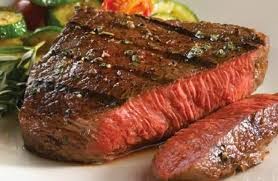
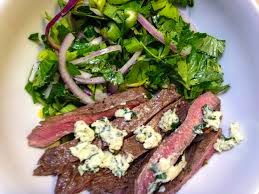
What a pity that the article includes a picture of fish and chips.  These days it is highly likely that both will be cooked in some sort of cheap seed oil rather than lard or beef dripping of yesteryear.  Sadly the picture doesn't indicate that there are far more carbohydrates in this dish (batter and chips) than fat, which are likely to increase weight.  The article mentions this, but the casual reader won't notice.

A more appropriate illustration might be this:


Steak, herb butter and salad.

Don't believe me.  Listen to Chris Masterjohn, a lipidologist, who knows a thing or two about different types of fat.


Thursday, 15 January 2015

Opening umbrellas causes rain

Occasionally I work with a client who has had a major health crisis such as a heart attack.  They admit to poor diet, zero exercise, high intake of alcohol and heavy smoking.  They are terrified of dying and seem unable (unwilling) to make any changes.  This is someone who is praying for a magic bullet to cure their health problems


Fear won't help them and may trigger further health problems with raised cortisol levels and disrupted sleep.

I introduce them to research findings and the work of specialist doctors and surgeons, who recommend specific incremental changes to improve heart health.  Each idea is dismissed or discounted as unworkable.  


A common argument is counter-evidence from a someone specialising in research that concludes red meat is most likely to cause heart attacks.  (= man/woman in white coat tells The Truth).

What the client fails to notice is that this researcher is an epidemiologist.  That means they don't actually conduct randomised, controlled, double blind studies that demonstrate cause-effect relationships.  They take population studies and compare the numbers of those who do and don't eat red meat with figures for heart disease.  

If I take population studies for those who open umbrellas and the incidence of rainfall in particular areas, I might wish to claim that opening umbrellas causes rain.  My readers would conclude that I'd lost my marbles or basic common sense.  They may NOT challenge big claims by researchers which fail to offer concrete proof.


Robb Wolf and Chris Kresser discuss this particular assertion that red meat causes heat disease.  Chris unpicks the research and demonstrates that early studies failed to distinguish between processed and unprocessed meats, nor did they consider the rest of the subjects' diet and lifestyles.  Later studies that did include these aspects were unable to conclude that red meat causes heart disease.

There is NO evidence that unprocessed red meat causes heart disease or any other disorder.  

If we eat too much protein, we may gain weight, because excess protein is converted to sugar.  We may also have problems with fat on red meat, if it comes from animals fed on grains rather than put out to grass.  That is NOT an argument to avoid fat, but to be wary about what the animal you eat was eating during its life.


I may not be able to help this particular client to change, particularly if it becomes clear that they are unable and unwilling to make any effort to improve their own health.  I regret that some researchers and journalists are so willing to spread misinformation and bad science.  


Wednesday, 14 January 2015

USA diet extremes

My story begins during a first visit to the USA.  Walking through a restaurant, I saw a woman pour bright orange gloop on her salad.  My English friend told me it was French dressing.  Now in Europe, french dressing is a light golden liquid made of oil and vinegar, sometimes with mustard and garlic added.


Kent Altena's video demonstrated what I'm talking about:


In recent years I've been surprised to see how much sweetener is included in low carb recipes from the USA.  This includes mayonnaise and whipped cream, which are generally unsweetened when homemade in the UK.  I made a cake from a recipe by Kent Altena and halved the quantity of Splenda sweetener.  It was still very sweet.

When I've commented on this on blog posts by prominent low carbers, they respond with incomprehension or get defensive.

This indicated that the SAD (Standard American Diet) was already pretty extreme with high levels of sugar.

I read Jimmy Moore's account of consuming a crate of sodas (carbonated soft drinks) in the days when he was morbidly obese.  In his efforts to lose and maintain lower weight, he seemed to resort to extremes.  In one period he ate steak 3-4 times a day (sometimes more) until he finally absorbed what guest interviewees such as Dr Steven Gundry had told him about reducing protein intake.  Jimmy is now permanently on a ketogenic diet, where he sometimes consumes a block of butter with one meal.  He claims this is the only way for him to maintain a lower weight and stay healthy.


I can believe that someone who has been 'metabolically broken' by past consumption habits may require extreme measures to bring health back into balance.

This is NOT an attack on Jimmy Moore or any other health blogger.  Jimmy does a great job spreading the word about health and nutrition around the world.

My concern is that health bloggers generalise from their particular age/gender/genetics/weath/family status/situation/health problem and suggest approaches that may not be appropriate for others.  I've heard the paleo fitness end of the community dismissing some approaches that are probably very effective for those with athritis or for menopausal women, for example.  I've heard childless low carbers dismiss concerns from parents with children who are conservative in their eating habits.  Some are obsessively focussed on food quality and ignored those on the poverty line, for whom such choices may not be available.  I also hear strident calls for very low carb eating, when this may not suit everyone, particularly those who suffer higher cortisol levels, when ketogenic states stress the body.

Many authors and podcasters in the field (including clinicians) make blanket recommendations without caveats or health warnings.

I've heard a young intelligent former vegan recommend that anaemic vegetarians eat a lot of spinach with fat to boost iron levels.  They do not mention high oxalic acid levels in spinach that bind with metals and make the iron inaccessible.


Vitamin K2 is widely recommended.  I hear no mention of how this supplement may trigger heart palpitations.  High vitamin K2 levels are found in spirulina also.  If someone has pre-existing heart arrhythmia problems, these supplements can trigger an episode (which may be life threatening.)


I consume few cereal grains, though sometimes eat Georgian cheese bread.  I've seen relatives die at an advanced age (90s to 100s) with all their marbles intact, despite consuming some bread in their diet on a regular basis.  I am not arguing that grains are good for everyone.  I'm challenging the notion that diets developed for people with extreme metabolic disorders may be beneficial for all.

EU bows to agribusiness pressure

Yes that's right, the European Parliament in Strasbourg has quietly passed a new food law to allow cultivation of GMO crops in member states.

I heard a tiny pieces about it on radio news, but found little on the internet.  Well Charlie Hebdo killings made a 'nice day to bury bad news'.  All heads were turned to focus on Islamic extremism.


As the article tells us:  'This comes in the midst of Transatlantic Trade and Investment Partnership (TTIP) talks aimed at securing multilateral growth through commerce between the EU and the US. Many environmentalists were afraid that such an agreement would ease GM crop laws since cultivation of GM crops is widely spread around the US.'

USA lawyers are currently suing the Uruguayan government in court (for sums exceeding the national budget) under a similar agreement signed between North and South America.


I'm willing to bet that, when TTIP is signed here, companies such as Monsanto will be bullying our government to allow widespread growth of GMO crops in the UK.

GM maize is likely to be authorised in the UK very soon.

Nature surveyed the pros and cons for GM crops and came down in the middle.

It seems that the European Parliament rushed this law through in a shoddy piece of legislation:


Two contributors to the field achieve a better balance when discussing diet and health, in my opinion. 

Dr Larry Mccleary, a neurosurgeon, gives considered responses to questions and attempts to put himself in the shoes of parents and carers of people with neurological disorders wanting to introduce dietary changes.  

Chris Masterjohn, a lipidologist, is also unwilling to make definitive statements without strong supportive evidence.


Monday, 12 January 2015

Celebrity chefs make poor scientists

I was listening to an interview with celebrity chef, Hugh Fearnley Whittingstall.  He has made his name in tv series showing how he grows fruit and veg and rears (and slaughters) animals on his farm, before cooking the produce.


He admitted that he'd had a shocking health scare.  His blood cholesterol levels were high and he was bordering on levels 'requiring statins'.  He went on to say that this was because of the amount of butter and cream he used to consume.

HFW is a high profile media celebrity and the story was widely reported.  Unfortunately Hugh is no scientist and has swallowed the NHS line on the cholesterol hypothesis hook, line and sinker.

The illustration above indicates another reason why his blood lipids and blood glucose levels may have soared:  sugars and starches.


Here are some other views:  Dr Malcolm Kendrick (on reasons to AVOID statins), Dr William Davis (on ways to become heart healthy through eliminating cereals) and Dr Stephen Gundry (on ways to improve heart and general health through diet and lifestyle).


Thursday, 8 January 2015

Why do doctors get angry when diabetics lower their blood sugars?

I've talked to some people who feel browbeaten by their doctors.  They lower blood sugar levels by changing diet and lifestyle, but don't get the response they expect.  Lower blood sugar reduces blood pressure and endothelial damage in the circulatory system, I thought.  So lower blood sugar should reduce the risk of heart attacks, I believed.

Their doctor may then turn their attention to cholesterol levels and berate the patient for 'very high levels'.  If the patient takes the trouble to note down the numbers to check against NHS guidelines, they may find most numbers within the normal range, but triglycerides are a little higher.  'One swallow doesn't make a Summer' and it's not great scientific practice to take action based on a single reading for trigs (much the same as writing a prescription based on one blood pressure reading.)  You need to know if it's a one-off event based on some temporary trigger or a general trend.

Back to the blood sugar.

I'm a fan of Jenny Ruhl and her easy to read guidelines on diabetes and optimum blood glucose levels.


She helped solved the mystery of these doctors' reactions:

It turns out that some doctors have come to believe a good study that reached some poor conclusions based on shoddy analysis of data.  In short:  the research took 2 groups of people with type 2 diabetes - one lot had no intervention and the other took steps to reduce their blood sugar levels.  Some of the intervention group had heart attacks and died (more than in the non-intervention group).  The conclusion reached was that lowering blood sugar levels was DANGEROUS.

Another look at the data showed that some of the intervention group cheated and DID NOT lower their blood sugar levels.  Those that did had no heart attacks and became healthier.

Always view tabloid headline reports of medical research with scepticism.  It might also be an idea to treat doctors' negative statements about sensible diet and lifestyle changes with some detachment.  They may not have read the original research or treated it with the critical rigour it deserves.

It's your health and life.

Monday, 13 October 2014

NHS and the Mansion Tax diversion

Michael Gove, Parliamentary Secretary to the Treasury and Chief Whip, appeared on Radio 4's Question Time recently.  He said he was outraged and insulted at allegations by another panellist that the Coalition Government is privatising the National Health Service.


Who is he kidding?

Some of my work is in the NHS is in primary care.  The NHS is being privatised by stealth.  Here's how it works:  a particular service, such as Physiotherapy, is put out to tender.  The chosen provider is a private company.  As the NHS physiotherapy service loses market share, it withers on the vine.  When the contract comes up for renewal, there is no longer any NHS physiotherapy to make a bid for it.  True to form, the contracted out service proves to be more expensive than the NHS equivalent.  In the county I work, mental health services were under pressure.  The area health authority contracted a private company to provide low level Cognititive Behavioural Therapy paid for centrally.  As financial pressure mounted on GP surgeries, they looked around for cuts to make.  Locally funded counselling services were an easy target.  Patients now have CBT or nothing (a service which costs the NHS more than the locally funded counselling.)

Salaries have been flatlining for several years and many services typically provided by GPs have been contracted out, reducing income.  GP surgeries run as businesses, a legacy of arrangements made when the NHS was first founded.  The more that income shrinks, the greater the pressure.

The ambulance service is in crisis as the population has increased massively in the last 2 decades, but funding has not kept pace.  Trivial and prank calls contribute to expansion of demand, but not completely.  Paramedics report that they get no breaks on shifts, because the pressure is constant.  Staff are leaving.  People are dying because ambulances take too long to reach high risk cases.

What does this have to do with the Mansion Tax?

The Liberal Democrats promoted this idea, but failed to get it through the Coalition.  Labour are now advocating this policy and promising that funds raised will be spent on the NHS.  This plays well with many regions outside of London and the South East.

If you live in Pontefract, an impoverished part of West Yorkshire, you can buy a 5 bedroom, detached 5 bedroom house built in 1894 (with attic and cellar rooms and extensive grounds) for £595,000.


In Clapham, South London, you can buy a small 3 bedroom terraced house for the same price.


These are neither the cheapest regional area or the most expensive zone of London and the South East.

The Mansion Tax will hit lots of ordinary people, who will pay a premium on top of inflated housing prices.  It will not hit the non-domiciled Russians, Chinese or Middle Eastern multi-millionaires who are buying up properties all over the South East.  These are for investment, a bolt hole insurance in case the regime changes and many are left empty and crumbling over time.  These people tend to buy through companies and are often not subject to Stamp Duty and other taxes.  Nothing has been suggested to deal with this development that skews the property market.  Properties that are bought to let will have rental prices increased to absorb the Mansion Tax.  There are no rent controls, so accommodation costs are pushing people to the margins.

Why is this a diversion from the state of the NHS?

The biggest single threat to our state run National Health Service is the current move to join the TTIP.

The Transatlantic Trade & Investment Partnership is a bi-lateral tade agreement quietly being negotiated with the USA.  This has already been agreed between North and South America to devastating effect.  Private Eye describes it as a deal which opens the door for US corporate lawyers to challenge any service that is state run in the UK, demanding access for private companies.


If you watch/listen to BBC news and analysis you might imagine this does not exist, as TTIP is so rarely reported.  Negotiations are held in secret and nothing is being reported to the public.  TTIP did not feature in any of the political party conferences in the past month.  It is left to charities and pressure groups to gather support to block the deal.


Political parties are all careful to say that the NHS will remain free at the point of use under their stewardship.  They do NOT guarantee that it will be state run.

The mansion tax is a diversion from wholesale corporate sell off of the NHS.


Monday, 30 June 2014

UK doctors stand up for truth and integrity

Dr Malcolm Kendrick wrote an interesting blog post about UK doctors challenging NICE on its guidelines on drugs and the undisclosed financial interests of those making the decisions.

Kendrick and colleagues also wrote to NICE about their guidelines (specifically in relation to cardiovascular risk), the poor scientific basis for drug recommendations and the lack of transparency with regard to conflicts of interest on the panel.


This is good news for the medical profession and the population of the UK.  Journalists don't investigate or challenge poor science or corruption in government and individual patients cannot achieve much alone.  I've reproduced the introduction and main headings plus part of one section.  It's worth reading the whole blog post:


Letter sent to NICE:
Concerns about the latest NICE draft guidance on statins
Introduction:
We are concerned about your draft guidance on CV risk for discussion and debate. We would ask for a delay until our concerns are addressed. Whilst we agree with much of the guidance, our concerns focus on six key areas:medicalization of healthy individualstrue levels of adverse events, hidden data, industry bias, loss of professional confidence, and conflicts of interest
The draft guidance recommends offering statin treatment for the primary prevention of CVD to people who have a 10% or greater 10-year risk of developing CVD.
1. Medicalisation of five million healthy individuals.
2. Conflicting levels of adverse events
Furthermore, the rate of adverse effects in the statin and placebo arms of all the trials has been almost identical. Exact comparison between trials is not possible, due to lack of complete data, and various measures of adverse effects are used, in different ways. However, here is a short selection of major statins studies.
AFCAPS/TEXCAPS: Total adverse effects losartan 13.6%: Placebo 13.8%
4S: Total adverse effect simvastatin 6%: Placebo 6%
CARDS: Total adverse effects atorvastatin 25%: Placebo 24%
HPS: Discontinuation rates simvastatin 4.5%: Placebo 5.1%
METEOR: Total adverse effects rosuvastatin 83.3%: Placebo 80.4%
LIPID: Total adverse effects 3.2% Pravastatin: Placebo 2.7%
JUPITER: Discontinuation rate of drug 25% Rosuvastatin 25% placebo. Serious Adverse events 15.% Rosuvastatin 15.5% placebo
WOSCOPS: Total adverse effects. Pravastatin 7.8%: Placebo 7.0%
Curiously, the adverse effect rate of the statin, it is always very similar to that of placebo. However, placebo adverse effect rates range from 2.7% to 80.4%, a thirty fold difference.
3. Hidden data
4. Industry bias

Important findings from some other non-industry sponsored studies

5. Loss of professional confidence
6. Conflicts of Interest (real and perceived)

Yours Sincerely
Sir Richard Thompson, President of the Royal College of Physicians
Professor Clare Gerada, Past Chair of the Royal College of General Practitioners and Chair of NHS Clinical Transformation Board
Professor David Haslam, General Practitioner and Chair of the National Obesity Forum
Dr J S Bamrah, Consultant Psychiatrist and Medical Director of Manchester Mental Health and Social Care Trust
Dr Malcolm Kendrick, General Practitioner and Member of the British Medical Association’s General Practitioners sub- Committee
Dr Aseem Malhotra, London Cardiologist.
Dr Simon Poole, General Practitioner
David Newman, Assistant Professor of Emergency Medicine and Director of Clinical Research, Mount Sinai School of Medicine, New York
Professor Simon Capewell, Professor of Clinical Epidemiology, University of Liverpool